
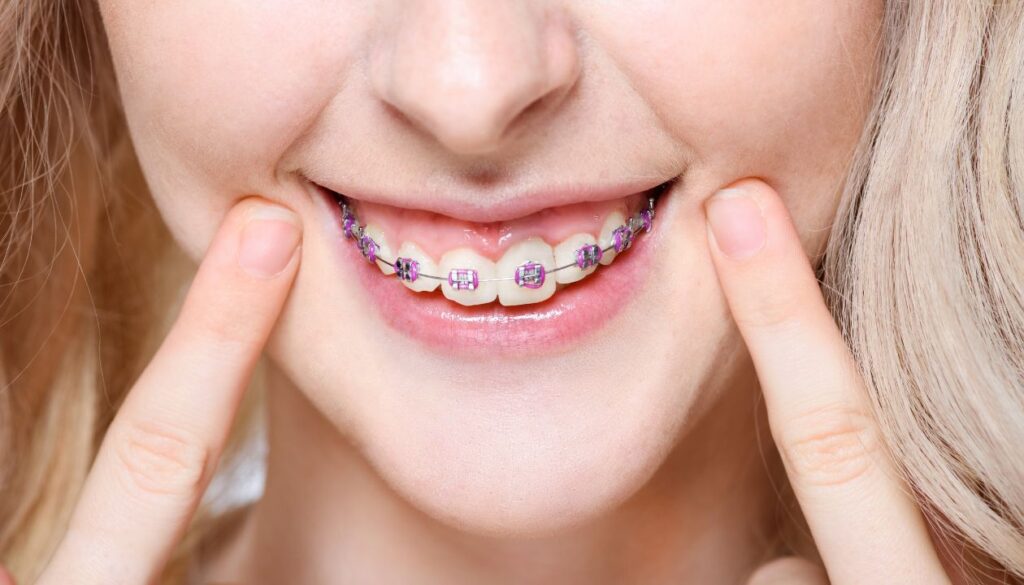
If you’re considering braces for yourself or your child, you’re in the right place. Braces are not just for kids anymore, they’re a versatile orthodontic treatment option that can benefit people of all ages.
From correcting misaligned teeth to improving bite issues, understanding who can get braces is crucial for making informed decisions about dental care.
In this text, we’ll investigate into the benefits of braces, ideal candidates, age considerations, and what you need to know before embarking on your orthodontic journey.
Understanding Braces and Their Benefits
Braces are orthodontic devices designed to correct crowded or crooked teeth, as well as bite issues such as overbites and underbites. These devices work by applying continuous pressure to the teeth, gradually moving them into the desired position. The benefits of braces extend beyond aesthetics.
Improved Oral Health: Straightening your teeth makes it easier to maintain proper oral hygiene. Gaps and misaligned teeth can hold food particles and plaque, increasing the risk of cavities and gum disease.
Enhanced Functionality: Properly aligned teeth improve your bite and chewing functionality, which can have a long-term positive impact on your overall health.
Boosted Confidence: Braces can significantly enhance your smile, providing a boost to your self-esteem and confidence. This can be especially important for children and teenagers during their formative years.
Who Are the Ideal Candidates for Braces?
While braces are commonly associated with children and teenagers, almost anyone can be a candidate, as long as they have orthodontic issues that can be corrected. Ideal candidates for braces often exhibit:
- Crowded Teeth: Teeth that are too close together can benefit greatly from braces, as they can be spaced out into proper alignment.
- Gaps Between Teeth: Spaces between teeth can be closed with braces, leading to a more ideal smile.
- Misaligned Bite: Issues like overbites, underbites, and crossbites can be corrected with braces, improving overall jaw function.
- Jaw Discrepancies: In some cases, the jaw itself may be misaligned, requiring orthodontic treatment to improve function and aesthetics.
Age Considerations for Getting Braces
Age plays a significant role in orthodontic treatment. While it’s a common myth that braces are only for children, the truth is that both adolescents and adults can benefit:
- Children (Ages 7-12): Most orthodontists recommend an initial evaluation by age 7. Early intervention may prevent more complex issues later on, making treatment easier and less invasive.
- Teens (Ages 13-19): This is the age when most people get braces: their teeth are still developing, making it a prime time for orthodontic treatment.
- Adults: Many adults seek braces to correct long-standing dental issues or to enhance their smile. In fact, nearly one in four orthodontic patients is over the age of 18. Adult treatment may take slightly longer than for younger patients, but the results can be incredibly rewarding.
How to Determine If You or Your Child Needs Braces
To determine if braces are a necessary option for you or your child, consider the following signs and symptoms:
- Misaligned or Crooked Teeth: If teeth appear crooked or crowded, braces may be the solution.
- Difficulty Chewing or Biting: If you or your child experience discomfort while eating, this could indicate a bite issue that needs correction.
- Jaw Pain or Fatigue: Persistent jaw pain or fatigue can signal misalignment.
- Frequent Dental Issues: Recurring cavities or gum disease even though regular dental care can hint at problematic tooth alignment.
If you notice any of these signs, scheduling a consultation with an orthodontist is the next step. They can conduct an evaluation and recommend the appropriate course of treatment.
Types of Braces Available
Braces come in several different types, each with unique benefits:
- Metal Braces: The most common type: they are effective and generally the least expensive option.
- Ceramic Braces: Less visible than metal braces, these are made from clear materials, making them a great option for adults concerned about aesthetics.
- Lingual Braces: These are applied to the back of the teeth, making them invisible from the front. They can be a bit more challenging to clean but can be effective for those needing discretion.
- Clear Aligners: Systems like Invisalign offer a nearly invisible way to straighten teeth without traditional brackets and wires. These are removable and can make daily life more convenient.
Dental Health Prerequisites for Braces
Before getting braces, it’s essential to ensure that your dental health is in good shape. Here are some prerequisites to consider:
- Healthy Gums: Your gums should be free of disease or infection to prevent complications during treatment.
- Cavities: Any existing cavities need to be treated before you can get braces. This includes ensuring that any dental work is completed, so you have a healthy foundation for the braces.
- Commitment to Oral Hygiene: Once braces are in place, maintaining diligent oral care is crucial to avoid plaque buildup and gum issues.
Discussing any concerns with your orthodontist will allow them to guide you on the best practices to ensure you’re prepared for this treatment.
Conclusion
Braces are a valuable orthodontic treatment that can benefit a wide range of individuals, from young children to adults. Whether you are facing crowding, misalignment, or bite issues, understanding your options can help you make informed decisions about your dental health.
Remember that age is not a barrier, and with the various types of braces available, there’s an ideal option out there for everyone. Consult your orthodontist today to explore the best solutions tailored to your unique needs.
Frequently Asked Questions
Who can get braces?
Almost anyone can get braces, including children, teens, and adults, provided they have orthodontic issues like crowded teeth or bite misalignments.
What age is best for getting braces?
The ideal age for braces is typically between 7-19 years, though adults can also benefit from treatment. Early evaluations can help prevent future issues.
What are the benefits of getting braces?
Braces improve oral health by making hygiene easier, enhance bite functionality, and boost confidence with a better smile, benefitting individuals of all ages.
Can adults get braces, and what types are available?
Yes, adults can get braces. Options include metal, ceramic, lingual braces, and clear aligners like Invisalign, catering to aesthetic and functional needs.
How do I know if I or my child needs braces?
Signs include misaligned or crowded teeth, difficulty chewing, jaw pain, and frequent dental issues. A consultation with an orthodontist can provide a proper evaluation.
Are there dental health prerequisites before getting braces?
Yes, it’s important to have healthy gums, no cavities, and a commitment to oral hygiene to ensure successful orthodontic treatment.
Find Your Best Option at Rick Herrmann Orthodontics in Mansfield, TX
Braces are for everyone. Schedule a consultation today and discover the right treatment for your smile at a trusted Mansfield orthodontic practice.