
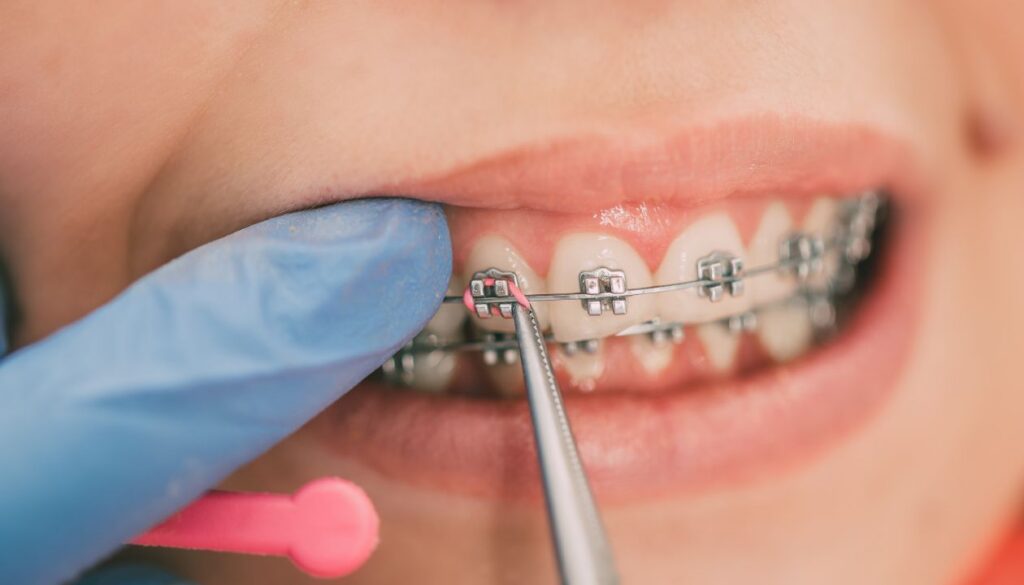
Deciding to get braces as an adult brings up a lot of questions: How visible will they be? Will treatment disrupt work or social life? How long will you need to wear them?
This guide walks you through what to expect in braces for adults, step by step, from the first consult through retainers, so you can make decisions with confidence and know how to plan for daily life, comfort, and long-term results.
Why Adults Choose Braces: Benefits And Common Reasons
More adults are choosing orthodontic treatment than ever before. Reasons vary, but common motivations include fixing long-standing bite issues, closing gaps, straightening crowded teeth, improving chewing or jaw pain, and simply wanting a more confident smile for personal or professional reasons. Unlike many teens, adults often prioritize discreet options and a treatment plan that fits a busy life.
Benefits you can expect as an adult include:
- Improved oral health: Straighter teeth are easier to clean and can reduce the risk of gum disease and cavities.
- Better function: Correcting a bad bite can ease wear on teeth and reduce jaw or muscle pain.
- Aesthetic and psychological gains: The confidence boost from a better smile often has positive effects on relationships and career opportunities.
Keep in mind: adults may have more dental restorations (crowns, bridges) or mild bone loss from gum disease, which can affect planning. Your orthodontist will evaluate these factors and recommend options that balance efficiency, aesthetics, and long-term health.
Types Of Braces And Orthodontic Options For Adults
Adults have more choices than ever. Below are the main categories and what to expect when comparing them.
Clear And Less-Visible Options (Ceramic, Lingual, Clear Aligners)
- Ceramic braces: Tooth-colored brackets that blend with enamel. They’re less visible than metal but can be slightly bulkier and sometimes stain if you don’t manage your diet and hygiene. They work well for many adult cases but may be slower in some tooth movements.
- Lingual braces: Brackets bonded to the tongue side of teeth, making them practically invisible from the front. They’re highly discreet but can be more expensive and may take longer to adapt to speech and tongue comfort.
- Clear aligners (e.g., Invisalign and similar systems): Removable, nearly invisible trays you change every 1–2 weeks. Aligners are popular with adults because they’re removable for eating and brushing, and they have fewer aesthetic drawbacks. They’re best for mild-to-moderate alignment and bite issues, complex tooth movements sometimes still require braces.
Traditional Metal Braces And Hybrid Approaches
- Traditional metal braces: Smaller and sleeker than older models, metal braces are durable and often the fastest option for complex corrections. Adults who need significant movement or bite correction may get the best results with metal braces.
- Hybrid approaches: Sometimes clinicians mix fixed braces and aligners, start with braces for difficult movements, finish with aligners for finishing touches, or use ceramic on front teeth and metal on back to balance discretion and strength.
How To Choose: Pros, Cons, And Suitability For Adults
Choosing depends on your priorities: speed, invisibility, comfort, complexity, and budget. Ask your orthodontist for a treatment simulation and clear comparison of timelines, estimated costs, and daily life impact. If you need discreet treatment for work, lingual or clear aligners are strong contenders.
If your case is complex, metal or ceramic braces might be more effective. Always weigh maintenance needs (e.g., aligners require discipline to wear 20–22 hours/day) and any existing dental work that might influence, for example, how well brackets bond.
What To Expect At Your First Appointment
Your first orthodontic visit is mostly diagnostic and planning. Knowing what happens helps you arrive prepared and confident.
Exams, X-Rays, Photos, And Smile Analysis
Expect a thorough exam: dental and medical history, intraoral photos, X-rays (panoramic and cephalometric if needed), and digital scans or impressions. The orthodontist analyzes your bite, jaw relationship, facial proportions, and any periodontal concerns.
If you have restorations or missing teeth, those get noted because they affect mechanics and timing.
Treatment Plan, Timeline Estimate, And Cost Discussion
After diagnostics, your orthodontist will present a treatment plan outlining the recommended appliance, estimated timeline, milestones, and alternatives. You should get details about costs, payment plans, and whether your dental insurance covers part of orthodontic care.
Don’t hesitate to ask for a written estimate and a visual simulation of expected outcomes. This is a good time to discuss work, travel, or event timing so the plan fits your life.
The Day You Get Braces: Procedure, Timing, And Immediate Comfort
Getting braces is straightforward, but it’s helpful to know the steps and what you’ll feel afterward.
Step-By-Step: Bonding, Bands, Or Fittings
- For fixed braces: The orthodontist cleans and conditions the teeth, bonds brackets with dental adhesive, places archwires, and secures them with ligatures or self-ligating clips. Molar bands are used in some cases. The whole appointment typically takes 60–90 minutes.
- For lingual braces: The process is similar but requires more precise placement: it can take longer.
- For clear aligners: You’ll get the first set fitted, and the clinician will check fit and comfort. They’ll also show how to insert and remove trays.
Pain, Numbness, And Comfort Tips For The First 24–72 Hours
You’ll likely feel pressure and mild soreness as teeth begin to move, think of a dull ache rather than sharp pain. Over-the-counter NSAIDs help, and your orthodontist may recommend a topical wax to cover irritating brackets. For lingual braces, tongue soreness and temporary speech changes are common for a week or two.
Do You Need Time Off Work Or Other Considerations?
Most adults return to work the same day. If you anticipate soreness or critical meetings right after your appointment, plan lighter duties or schedule adjustments. For people with speech-sensitive jobs, consider getting braces before a major presentation to allow adaptation time.
Living With Braces: Daily Care And Lifestyle Changes
Successful treatment depends on daily habits. Here’s what to expect and how to protect your progress.
Eating And Food To Avoid (Short- And Long-Term Tips)
Initially avoid hard, sticky, or crunchy foods (nuts, hard candy, caramel, popcorn). Cut tougher items into small pieces and chew carefully. For aligner wearers, remove trays for eating but rinse and brush before reinserting.
Long-term, maintain caution with very hard foods and avoid habits like nail-biting or chewing ice that can break brackets.
Oral Hygiene: Brushing, Flossing, And Tools That Help
You’ll need to be more diligent: brush after every meal if possible, use a multi-headed or interdental toothbrush, and floss with a floss threader or use water flossers for convenience. Apply fluoride toothpaste and consider more frequent cleanings with your dentist.
Speech, Exercise, Travel, And Social Situations
Expect temporary changes in pronunciation with lingual braces or initial bulky braces: most people adapt within a few weeks. For sports, wear a mouthguard. Traveling? Pack a small hygiene kit, emergency orthodontic wax, and contact info for your orthodontist in case of problems while away.
Managing Common Issues: Soreness, Sores, And Broken Brackets
Soreness: Use saltwater rinses and OTC pain relievers. Sores: Orthodontic wax protects soft tissue. Broken brackets or poking wires: Trim a protruding wire with clean nail clippers if you’re careful, cover it with wax, and call your office. Don’t ignore broken parts, delays can extend treatment time.
Treatment Timeline, Follow-Up Visits, And Progress Tracking
Understanding scheduling and what affects timelines helps you set realistic expectations.
Typical Visit Schedule And What Happens At Adjustments
Most patients visit every 4–8 weeks. During adjustments your orthodontist will tighten or change wires, replace ligatures, and check tooth movement. Aligners usually require a check every 6–10 weeks to monitor fit and issue new trays as needed.
Factors That Affect Treatment Length (Age, Complexity, Compliance)
Treatment time varies: mild cases can finish in months: average adult cases often take 12–24 months. Factors that lengthen treatment include severe bite or jaw issues, missing teeth, periodontal disease, and poor compliance (not wearing elastics or aligners as prescribed). Age itself isn’t a barrier, but bone density and dental history can influence movement rate.
Handling Emergencies And When To Contact Your Orthodontist
Contact your orthodontist for severe pain, a loose or detached bracket, a wire causing injury, or if an aligner is lost/damaged. Many offices provide after-hours contact or instructions for temporary fixes until you can get in.
After Braces: Retainers And Long-Term Maintenance
The day your braces come off is liberating, but maintenance matters.
Types Of Retainers And How Long To Wear Them
Removable retainers: clear plastic (Essix) or Hawley retainers with a wire. Fixed retainers: a bonded wire behind the front teeth. Most adults start with full-time wear for a period (often several months), then transition to night-only wear. Many clinicians advise indefinite night wear for adults because teeth can shift with age.
Maintaining Results: Oral Care, Night Habits, And Checkups
Keep brushing and flossing diligently, continue routine dental cleanings, and check retainers regularly for fit and wear. If you grind your teeth, consider a night guard to protect both dental work and alignment. Schedule periodic checkups with your orthodontist to confirm stability, catching small shifts early makes corrections simpler.
Conclusion
Knowing what to expect in braces for adults reduces stress and helps you succeed. You’ll get a clear plan after diagnostics, choose from several discreet and effective options, and adapt to a few temporary lifestyle changes. Most importantly, compliance, showing up for adjustments, following hygiene and wear instructions, and protecting appliances, determines how smoothly and quickly you reach your new smile.
If you’ve been on the fence, book a consultation: modern adult orthodontics is designed to fit real lives and real schedules, and the results are usually well worth the effort.
Frequently Asked Questions about Braces for Adults
What to expect in braces for adults at the first appointment?
At your first visit expect a full exam, dental history review, X-rays, photos and digital scans. The orthodontist will present a treatment plan, timeline estimate, cost options and simulation of results. This appointment is mainly diagnostic and lets you discuss work, travel, and payment concerns.
How long will adults typically wear braces and what affects treatment time?
Most adult treatments take about 12–24 months, though mild cases finish sooner. Complexity, missing restorations, periodontal health, required bite correction, and patient compliance (wearing aligners or elastics) are the main factors that lengthen or shorten the timeline.
Which brace options are best for adults who want discreet treatment?
Discreet choices include clear aligners, ceramic brackets, and lingual braces. Aligners suit mild-to-moderate issues and are removable; lingual braces are invisible from the front but can affect speech; ceramic is tooth-colored but may be bulkier and stain-sensitive. Your orthodontist will recommend the best fit for your case.
How should adults care for oral hygiene and eating with braces?
Brush after meals, use interdental brushes or water flossers, and avoid hard, sticky, or crunchy foods that can break brackets. Aligners require removal for eating and cleaning before reinserting. Regular dental cleanings and fluoride toothpaste help prevent cavities and gum issues during treatment.
Do adults need to wear retainers after braces and for how long?
Yes. Retainers (removable or fixed) keep teeth stable; most adults start with full-time wear for months then switch to night-only. Many orthodontists recommend indefinite nightly wear because teeth can shift with age. Regular follow-up checks catch small relapses early.
Confident Adult Treatment at Rick Herrmann Orthodontics
Adult braces focus on precision, discretion, and long-term function. Rick Herrmann Orthodontics develops customized treatment plans that fit professional and personal lifestyles. Schedule a consultation to explore options tailored to your goals.