
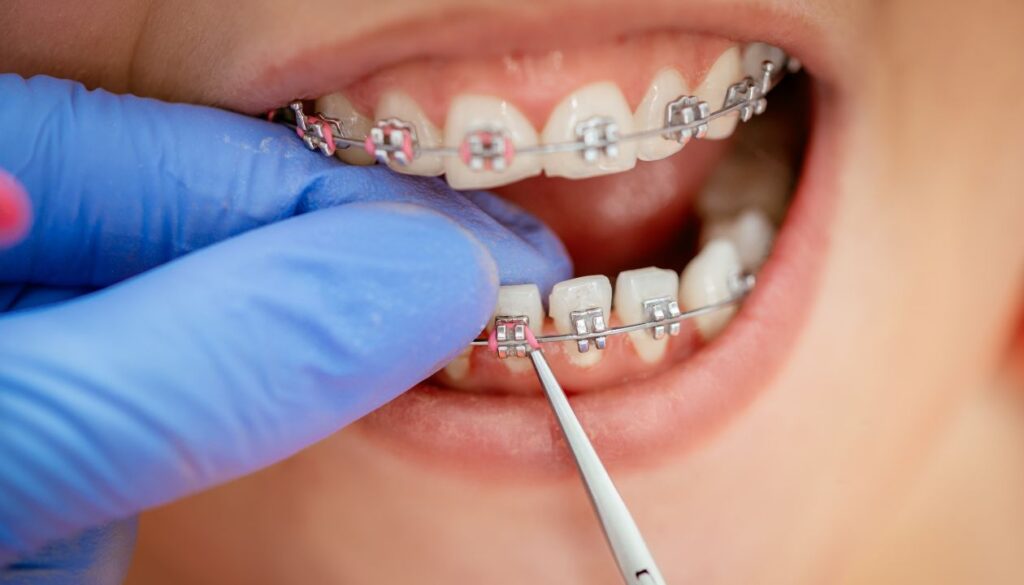
Getting braces is a significant step toward a healthier smile, but you might feel a mix of excitement and anxiety about what lies ahead. The braces treatment process spans multiple phases, each designed to ensure that your experience is smooth and effective.
From your initial consultation to the day your braces come off, knowing what to expect will help you prepare for each step. Let’s jump into the complete braces treatment process so you can feel confident about what’s ahead.
Phase 1: Initial Consultation and Treatment Planning
What to Expect During Your First Visit
Your first visit to the orthodontist sets the stage for your entire treatment. During this comprehensive consultation, you can expect a detailed examination of your teeth, bite, and jaw. The orthodontist will also review your medical and dental history, ensuring they have all the necessary information before moving forward. To get a clear picture of your dental structure, X-rays or digital scans may be taken.
Discussion of Treatment Options
After the examination, your orthodontist will discuss various treatment options tailored to your unique needs. Options may include metal braces, ceramic braces, lingual braces, or clear aligners. The choice depends on factors like the complexity of your case, your aesthetic preferences, and budget. Your orthodontist will create a personalized treatment plan that outlines each option, along with your expected treatment timeline.
Financial Consultation and Insurance Information
Finally, the consultation covers financial options. It will be crucial to discuss your insurance coverage and payment plans available. The orthodontic office often provides flexible financing options to make treatment more accessible. Understanding your financial responsibilities early will help you plan your budget better.
Phase 2: Getting Braces Placed
Types of Braces Available
Once your treatment plan is in place, the next step is getting braces fitted. There are several types to choose from:
- Metal Braces: Traditional and effective, made from stainless steel.
- Ceramic Braces: Clear or tooth-colored option that blends better with your teeth.
- Lingual Braces: Placed on the back of your teeth for a more discreet treatment.
- Clear Aligners: A removable option that gradually shifts your teeth.
Step-by-Step Process of Getting Braces On
The process of getting your braces on typically takes about 1-2 hours. Here’s what you can expect:
- Teeth Cleaning: Your teeth will be thoroughly cleaned and dried.
- Bracket Bonding: The orthodontist will apply a special adhesive to attach the brackets to your teeth.
- Archwire Placement: Once brackets are in place, an archwire will be threaded through them, which will guide your teeth into their new positions.
- Final Adjustments: Additional components, such as elastics or bands, may be added to enhance the treatment.
If you have molar bands fitted first, separators might be used to create room for them.
Phase 3: The Adjustment Period
Initial Adjustment and Care
After getting braces, you may feel some soreness or discomfort for a few days. This is completely normal as your teeth begin shifting. Over-the-counter pain relief can help manage this discomfort. It’s essential to focus on maintaining good oral hygiene: using a soft toothbrush can reduce irritation while brushing.
Common Adjustments and Monitoring
You’ll have a follow-up appointment within the first week to check how you’re adjusting. This is the time to discuss any discomfort or issues you might have experienced. Learning proper oral hygiene techniques and monitoring for any changes during this period is crucial to successful treatment.
Phase 4: Regular Adjustments
Frequency of Appointments
Regular adjustments are scheduled every 4-8 weeks. These appointments are vital to ensuring your teeth are moving according to the treatment plan. During these visits, the orthodontist will tighten the wires, replace broken brackets, or swap out elastics.
Managing Discomfort During Adjustments
While some discomfort is typical following these adjustments, it’s generally manageable with pain relievers. Make sure to follow any specific care recommendations your orthodontist provides to alleviate discomfort during this phase.
Phase 5: The Final Stretch
Expected Duration of Treatment
Most orthodontic treatments take between 12 to 24 months. The exact duration depends on the complexity of your case and how well you adhere to your care regimen.
Maintaining Progress and Oral Hygiene
As you approach the end of your treatment, it’s crucial to maintain excellent oral hygiene and follow your orthodontist’s recommendations, including wearing elastics if required. Regularly monitoring your progress will help ensure that your treatment concludes successfully.
Phase 6: Braces Removal and Retention
The Removal Process Explained
When the day finally arrives to remove your braces, the process is relatively quick and straightforward, typically taking about an hour. Your orthodontist will debond the brackets and wires, leaving your teeth clean and polished for a bright, new smile.
Importance of Retainers Post-Treatment
Once your braces are off, your orthodontist will recommend a retainer to wear, especially during the night, to prevent your teeth from shifting back to their original positions. Compliance with retainer wear is crucial for maintaining your newly aligned smile.
Conclusion
Completing the braces treatment process is an exciting achievement, marking the end of a journey toward a healthier, more confident you. By understanding each phase, from your first consultation to braces removal, you’ll feel empowered and informed every step of the way.
Remember, diligent care and following your orthodontist’s guidelines will ensure lasting results, so embrace your smile with pride.
Frequently Asked Questions
What can I expect during my first visit for braces?
During your first visit, the orthodontist will conduct a thorough examination of your teeth and jaw, review your medical history, and may take X-rays or scans to formulate a personalized treatment plan.
How long does it typically take to get braces fitted?
The process of getting braces placed usually takes about 1-2 hours, which includes cleaning your teeth, bonding brackets, and inserting the archwire.
What types of braces are available for treatment?
You can choose from various types of braces, including metal braces, ceramic braces, lingual braces, and clear aligners, each offering different benefits depending on your needs.
How often will I need adjustments during braces treatment?
Regular adjustments are typically scheduled every 4-8 weeks to ensure your teeth are moving according to the treatment plan and may involve tightening wires or replacing elastics.
Why is it important to wear a retainer after braces are removed?
Wearing a retainer after braces helps prevent your teeth from shifting back to their original positions, ensuring the lasting results of your orthodontic treatment.
What can I do to manage discomfort after getting braces?
Normal soreness can occur after getting braces, which can be managed with over-the-counter pain relief and by maintaining good oral hygiene to reduce irritation.
Start Your Braces Journey With Rick Herrmann Orthodontics
Understanding each phase of braces helps treatment feel more manageable. Rick Herrmann Orthodontics in Mansfield, TX guides patients from the first visit through the final day with clear expectations and consistent care. Schedule a consultation to begin with confidence.